
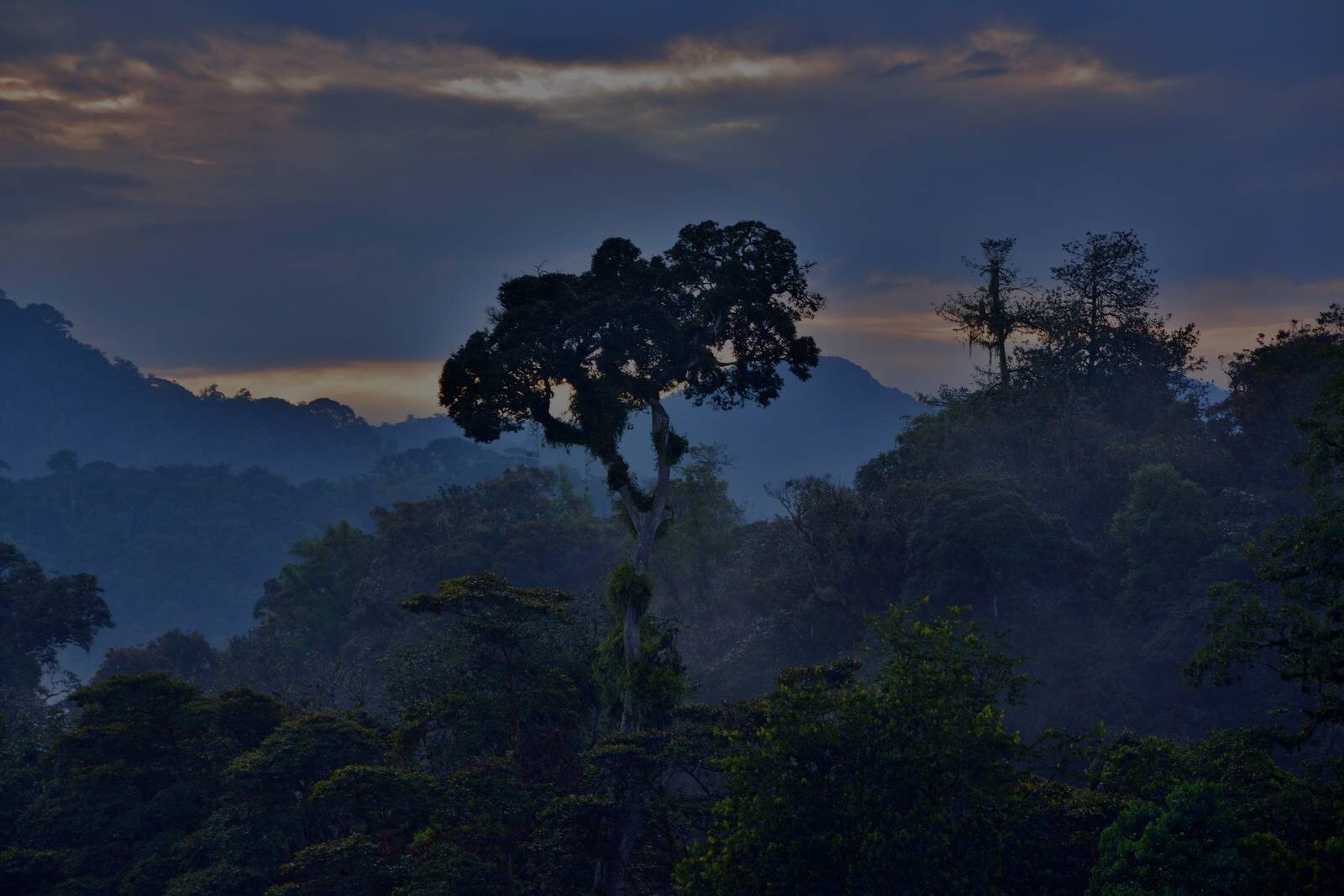
US Together Voluntourism Returns!

Professional Development Trip for Educators’
December 27th, 2026 to Jan 4th, 2027
*Inquire about discounts for groups
Includes activities, guides, transportation in-country, and accommodations.
Participants will be responsible for their own airfare, meals and misc. expenses like shopping.
Explore Rwanda’s Rich History & Culture

Guided tour of Kandt House Museum
Visit to the Kigali Genocide Memorial
Nature walks and exhibits at Nyandungu Eco Park
Royal tour at the King’s Palace Museum in Nyanza
Cultural deep dive at the Ethnographic Museum in Huye
Make an Impact through Service
Work with local educators and schools on developing strategies and techniques for teaching classes in English.
With CECYDAR, talk to the nonprofit about education of at-risk kids and facilitating access to education for homeless youth.
Community engagement with our local partners in Kigali.
Learn directly from Rwandans about the impact of sustainable development.
Experience Wildlife & Nature

Full-day African safari at Akagera National Park
Night safari for a chance to spot big cats
Boat ride on Lake Ihema inside the park
Scenic tea estate visit at Gisovu Tea Plantation
Relaxation by Rwanda’s Lakes
Leisure day at Lake Kivu with a boat ride
Visit to a coffee plantation and optional swimming or beach time
Connect & Celebrate
Shopping at local markets and Kigali Heights
Explore Kigali’s art, crafts, and café culture
Farewell dinner with your fellow travelers
Time for souvenirs and personal reflection before departure
Contact us at rwandatrip@ustogether.us for more information and to book today!
Highlighting our impact in Rwanda:
Empowering Through Agriculture: The Banana Farming Project
In Mugombwa and Kansi, survivors of gender-based violence are rewriting their future—together. Through our banana farming cooperative, women are not only growing food but rebuilding independence and dignity.
By planting, harvesting, and managing the crops themselves, these women gain vital skills and generate income that feeds their families and strengthens their community.
“We used to feel isolated. Now we have land, purpose, and hope.” – Cooperative Member
Healing in Community: Mental Health & Support Circles
In a country still healing from the trauma of genocide, mental health is often overlooked. That’s why we help facilitate healing circles—safe spaces where survivors and youth gather to process, reflect, and support one another.
Trained counselors and peer leaders guide these sessions, helping participants rebuild trust and develop tools to cope with daily struggles and past trauma.
“I never believed I could speak without judgment. Now I help others find their voice too.” – Healing Circle Facilitator
Investing in Women: Self-Help Groups in Action
Across several rural communities, we’ve helped form and support over 40 women-led Self-Help Groups—small circles that pool savings and offer microloans.
These groups fund everything from livestock to children’s school fees, creating pathways out of poverty. They also foster leadership, confidence, and lifelong friendships.
“I used my first loan to buy chickens. Now I run a business and send my kids to school.” – Self-Help Group Member
Our Rwandan Partners
US Together partners with four nonprofit organizations in Rwanda to support different groups of vulnerable populations in Central-East Africa. Our long-term commitment in Rwanda is built on collaboration with local agencies and professional knowledge exchange.
Our local partners in Rwanda are:
MOUCECORE: Movement Chretien pour l’Evangelisation, Le counseling et la Reconciliation (“MOUCECORE”) is a faith-based organization with a mission to "mobilize, organize and equip local churches and communities for a holistic and sustainable development in order to bring about spiritual and Socio-economic transformation." They assist vulnerable communities in protecting the environment, accessing clean water, dialogue, conflict resolution, fight against drug abuse, rehabilitation of drug addicted youth, promoting unity and reconciliation.
CECYDAR: Centre Cyprien and Daphrose Rugamba, or CECYDAR, is a non-profit organization that provides accommodation and programs for homeless children in Kigali, Rwanda. Programs include rehabilitation, reintegration, and facilitating access to education. The organization has been growing in accommodation capacity and capability over last 25 years since its establishment, resulting in 70% of successful reintegration rate to families and schools. CECYDAR strongly believes that children are the pride of Rwandan society. Therefore, the organization aims to eradicate homelessness among children through its methodology and network-building among the children.
Duterimbere: Duterimbere is a national non-governmental organization working in Rwanda to empower women towards the eradication of poverty. The organization was founded in 1987 by 29 women who wanted to add economic value to traditional women’s activities by demonstrating their roles and capabilities in development. Now, Duterimbere has more than 800 members throughout the country. They promote women’s entrepreneurship through grass root organizing in order improve the living conditions of Rwandan women with lower income.
The Barakabaho Foundation: The Barakabaho Foundation is a foster care organization created in 1994 to assist the genocide orphans and widows. Soon after its establishment, Barakabaho mobilized families to foster orphans and to provide them with a safe environment to heal and transform their lives. Initially, Barakabaho provided emergency relief to the survivors, and in 1997 shifted its efforts to support sustainable economic development with the aim of empowering its members and encouraging self-reliance.
Travel Concerns & Safety Abroad
Is Rwanda safe for international travelers?
Rwanda is widely regarded as one of the safest, cleanest, and most organized countries in
Africa for international visitors. The country has a strong tourism sector, modern infrastructure in
major cities, and a reputation for stability and public order. Our organization also has
established in-country relationships and prior experience operating within Rwanda.
Will we have local support during the trip?
Yes. Participants will travel with organizational support throughout the duration of the program.
We have a staff member who lives full-time in Rwanda and works directly with our local partner
organizations. Participants will not be navigating the country independently and will have local
guidance, emergency contacts, and logistical support throughout the experience.
Do we need a translator?
No. English is widely spoken, particularly in educational, professional, hospitality, and tourism
settings. Participants will also have local support available for translation and navigation
assistance when needed.
What health precautions should participants take?
Participants should consult their personal physician or travel medicine provider before
international travel. We strongly encourage participants to review the full itinerary with their
doctor to discuss any recommended vaccinations, medications, or travel-related health
considerations specific to their personal medical history.
Should I be concerned about Ebola?
At the time of travel planning, Rwanda continues to maintain robust public health infrastructure
and screening systems. Our organization monitors regional developments and prioritizes
participant safety in all planning decisions. Participants should consult trusted medical
professionals regarding any personal health concerns prior to travel.
What about malaria or other travel-related illnesses?
Participants should discuss malaria prevention, vaccinations, and general travel health
precautions with their healthcare provider before departure. Recommendations may vary
depending on individual medical history and risk tolerance.
Will participants travel alone?
No. The program is designed as a guided group experience. Transportation, institutional visits,
and major itinerary activities will occur collectively with organizational and local support present.
Who arranges flights and visas?
Participants are responsible for securing their own flights and travel documentation. However,
our organization will assist participants throughout the process by providing guidance and
coordination support related to flights, visas, and travel preparation.
Are meals included?
Group meals will be coordinated throughout portions of the trip. Participants should still budget
for personal meals, snacks, airport purchases, and discretionary spending.
What type of lodging will participants stay in?
Participants will stay in vetted hotels and lodgings previously used by our organization and local
partners. Lodging selections are made with consideration for safety, cleanliness, accessibility,
and proximity to program activities.
Is this a tourism trip?
No. This is a professional development and educational exchange experience centered on
institutional partnerships, school visits, educator engagement, and cross-cultural learning. While
participants will experience Rwanda’s culture and history, the primary purpose of the trip is
educational and relationship-based.